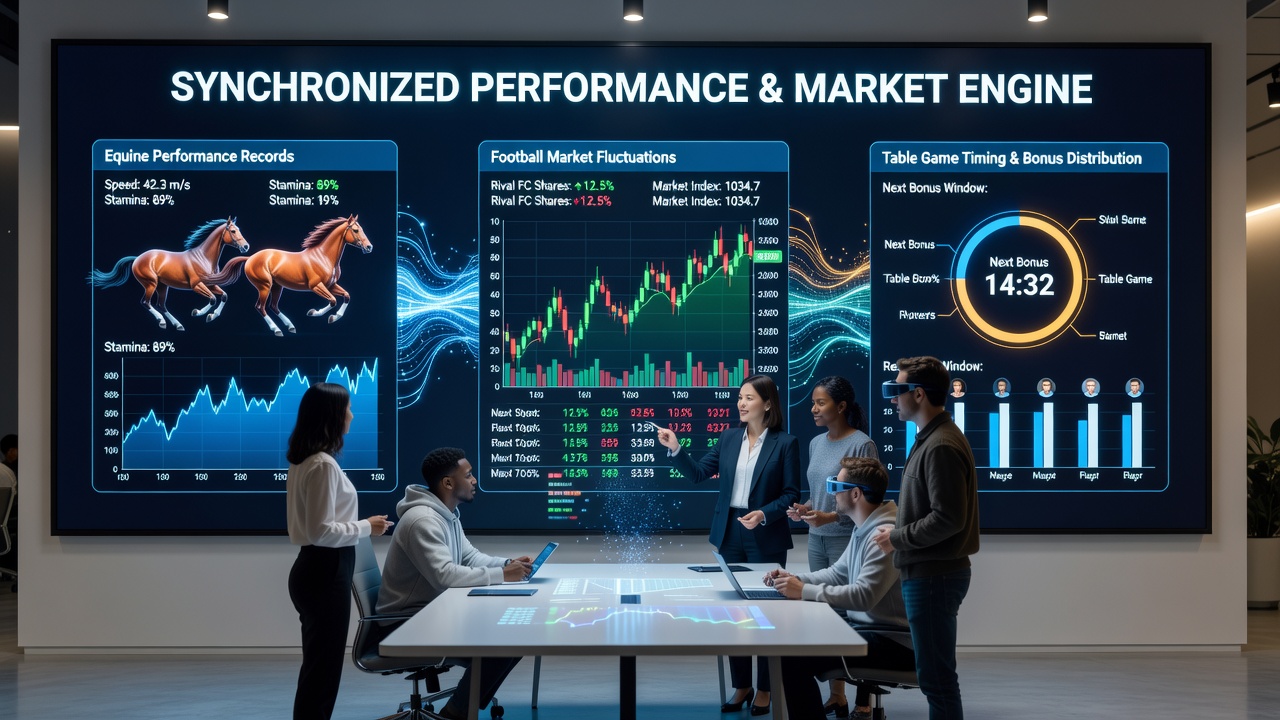
Synchronizing Equine Performance Records with Football Market Fluctuations to Direct Table Game Timing and Bonus Distribution in Shared Gaming Spaces
Data integration between equine performance records and football market movements has become a documented practice in several shared gaming facilities where operators coordinate table game schedules with bonus releases, and researchers have tracked these methods across multiple jurisdictions since the early 2020s, while analysts continue to examine how such synchronization influences player activity patterns in venues that combine sports betting terminals with poker and blackjack tables.
Data Sources and Collection Methods
Equine performance databases compile historical race results, track conditions, jockey statistics, and bloodline information from major circuits in Europe and North America, and these datasets feed into algorithms that cross-reference against live football odds movements from European leagues as well as international competitions, yet operators in Swiss and neighboring facilities have reported using similar feeds to adjust when certain table games open additional seats or activate promotional credits during peak overlap periods.
According to reports from the European Gaming and Betting Association, facilities collect real-time market data through licensed feeds that update every few seconds during matches, while equine records enter the system through standardized industry repositories that refresh daily after each racing card concludes, and this dual stream allows timing modules to flag potential windows for bonus distribution when volatility in one sector aligns with stability indicators in the other.
Implementation in Gaming Environments
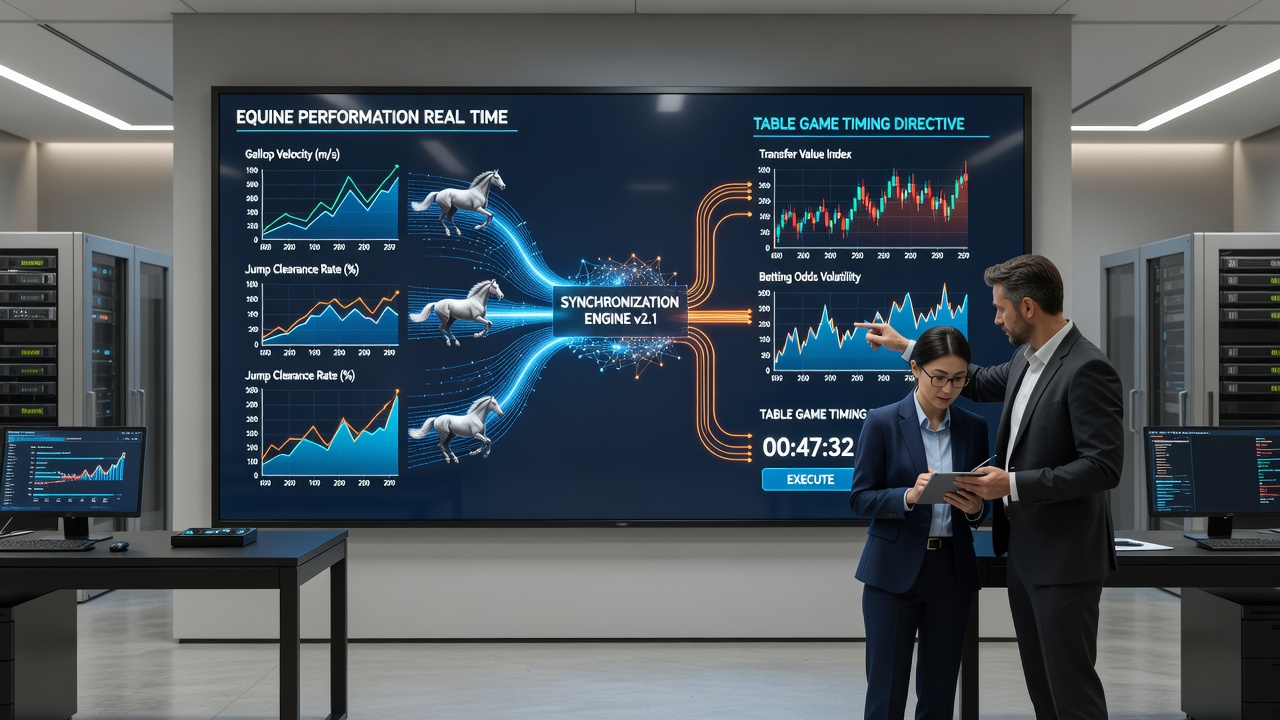
Table game supervisors receive dashboard alerts when equine form trends coincide with football price swings that exceed predefined thresholds, and these signals prompt decisions on whether to extend poker session bonuses or shift blackjack minimums to capture anticipated foot traffic from sports bettors moving between terminals and felt tables, whereas facilities in regional hubs have documented the use of such protocols during multi-event weekends that combine Grand Prix racing meets with Champions League fixtures.
One documented case from an Alpine venue showed staff adjusting bonus allocation schedules after an equine database update on a key horse's recent workout coincided with a sudden shift in live football totals markets, and the resulting timing change distributed promotional credits across thirty-minute intervals that matched observed player migration patterns between sports areas and table pits.
Regulatory and Technical Considerations
Canadian provincial gaming authorities require operators to maintain audit trails for any algorithmic timing of promotions that rely on external data streams, and similar transparency rules appear in Australian state frameworks where equine and football data integration must remain separate from random number generators used in table game outcomes, while the October 2026 regulatory review scheduled by several European bodies will examine whether these cross-market synchronization tools require additional licensing categories beyond standard sports betting approvals.
Technical standards published by research institutions such as the Gambling Research Exchange Ontario specify that data latency must stay under two seconds for market fluctuation inputs to qualify for live decision support, and equine record updates must carry verified timestamps from official racing stewards before entering any bonus timing calculation, yet facilities report that compliance teams review these logs monthly to confirm no direct influence occurs on game fairness mechanisms.
Observed Patterns Across Venues
Industry reports indicate that shared gaming spaces employing these synchronization methods often schedule table game expansions during periods when football market volatility rises in tandem with upcoming equine events, and data from multiple sites shows increased table occupancy rates when bonuses activate precisely at these convergence points, whereas venues without such coordination tools have recorded steadier but lower traffic distribution across the same calendar windows.
Researchers at academic centers studying European gambling markets have noted that operators update their timing parameters quarterly based on seasonal racing calendars and football fixture lists, and the resulting models incorporate variables such as average bet size from sports terminals alongside historical table game duration statistics to refine when credits should release without overlapping existing promotions.
Conclusion
Facilities continue to refine synchronization protocols between equine performance records and football market data to guide table game operations and bonus timing, and ongoing regulatory reviews scheduled through 2026 will determine how these practices evolve within existing licensing structures across different regions.